If you are thinking about buying a vacation rental on St. George Island, you are probably balancing two goals at once: finding a place you love and making sure the numbers make sense. That can feel exciting, but also a little tricky in a small coastal market where location, access, rules, and storm planning can change the whole picture. This guide will help you understand what to look for, what to verify, and how to think through a smart purchase on St. George Island. Let’s dive in.
Why St. George Island attracts rental buyers
St. George Island is a 22-mile barrier island in Franklin County, connected by a 4-mile bridge. It is known for public beach access, gulf waters, bay marshes, and access to Dr. Julian G. Bruce St. George Island State Park.
That setting gives the island broad appeal for short-term guests. Public beach and state park amenities include parking, pavilions, boardwalks, picnic areas, and outdoor recreation such as kayaking, fishing, birding, and wildlife viewing.
For a buyer, that matters because demand is often tied to what guests can actually do during their stay. On St. George Island, the draw is not just the beach itself. It is also the mix of boating, paddling, fishing, shelling, and easy outdoor time.
Property types on St. George Island
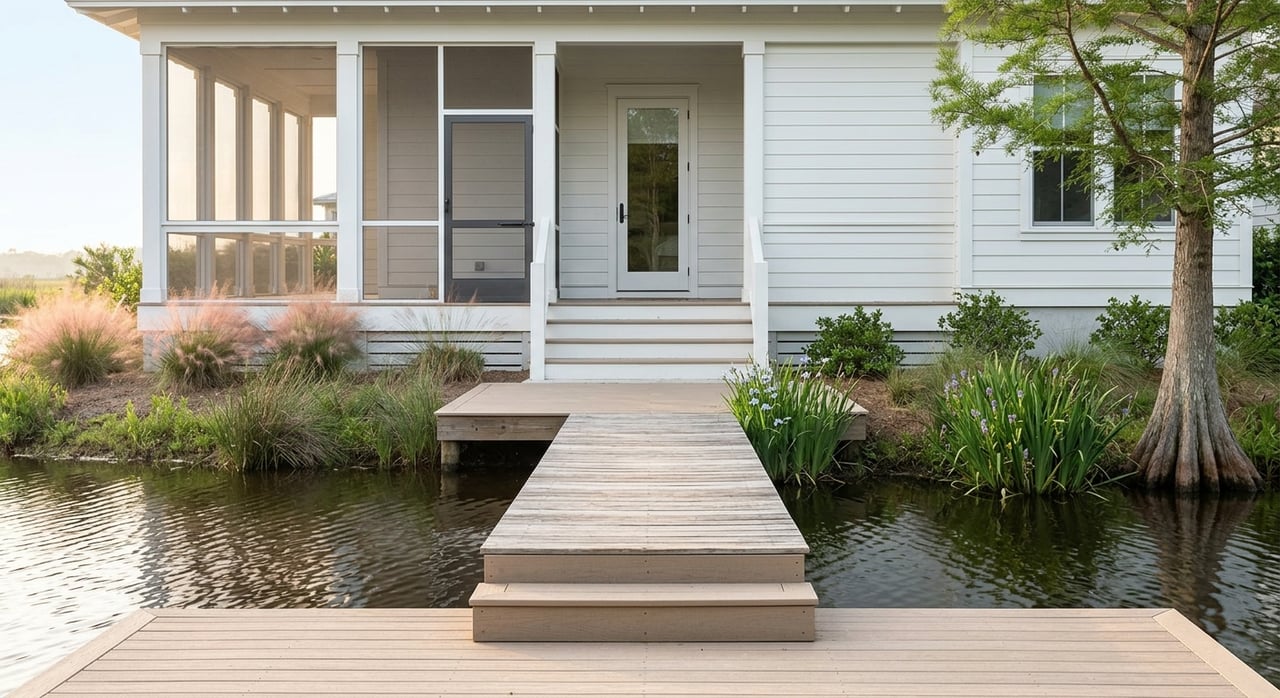
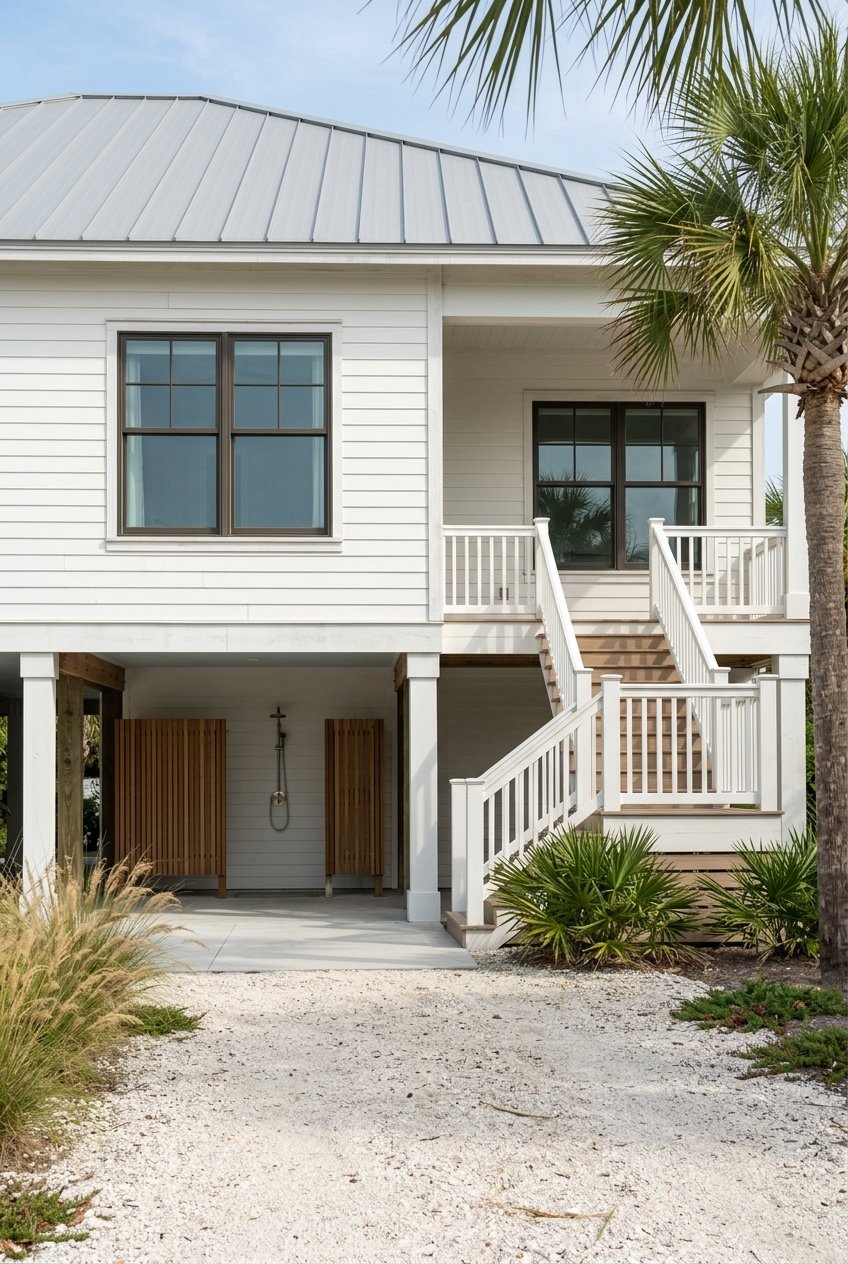
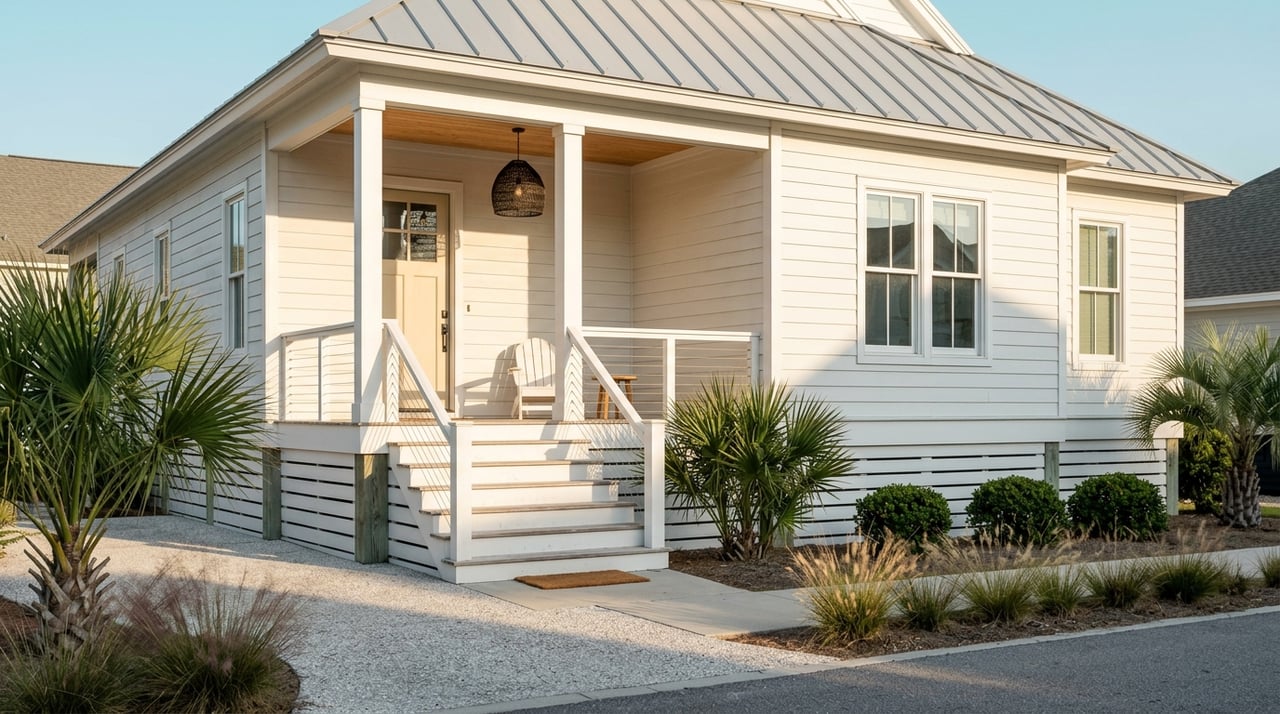
The vacation-rental inventory on St. George Island includes beach cottages, multi-story beach homes, bayfront homes, canal-front homes, condos, and pet-friendly homes. That means you are not looking at one single investment model.
A smaller condo and a large gulf-view home may both perform as rentals, but for very different reasons. One may appeal because of lower maintenance and a simpler setup, while the other may depend on larger groups, more sleeping capacity, and a stronger amenity package.
In this market, rental potential is often shaped by exact location, view, bed count, and guest-friendly features more than by the island name alone. That is why two properties with similar list prices can have very different operating stories.
What guests often look for
Guest expectations on St. George Island tend to be activity-focused. County tourism sources highlight chair and umbrella delivery, kayak and paddleboard rentals, bikes, golf carts, charters, and bait and tackle access on the island.
That makes everyday logistics more important than many buyers first expect. Storage for beach gear, practical parking, outdoor showers, easy entry, and smooth check-in and check-out can all shape the guest experience.
If you are buying for rental use, it helps to think beyond the brochure photos. Ask yourself whether the home works well for the type of stay guests are likely to have there.
Rental rules and licensing to verify early
Before you close on a vacation rental, make sure you understand the licensing side. Florida requires a DBPR license before operating a public lodging establishment.
For whole-unit vacation rentals, the license applies when the unit is rented more than three times in a calendar year for stays of less than 30 days or one calendar month, whichever is less, or when it is advertised as regularly rented. The state also requires annual renewal.
Franklin County says it does not currently issue business tax receipts for short-term rentals. For taxable transient rentals in Franklin County, the current rates listed by the Florida Department of Revenue add up to a 10.5% total tax burden on taxable transient rental receipts, made up of 6% state sales tax, 3.0% local option transient rental tax, and 1.5% surtax.
Because tax setup and licensing affect how you operate from day one, this is not something to leave until after closing. It is one of the first items to confirm during your due diligence period.
HOA rules can reshape your pro forma
On St. George Island, community rules can have a major impact on how a property functions as a rental. That is especially true in St. George Plantation, a private gated community with about 1,200 acres, 905 single-family home sites, and 530 homes.
Plantation materials say rental homes are administered by independent vacation agencies. Visitors must be registered, rentals must have a signed rental agreement, and there is a $100 entrance fee.
Some amenities are only available to certain villages or homes that pay extra fees. That means not every property in the same community offers the same guest experience, even if the listing photos look similar.
The Plantation also has specific rules that can affect marketing and guest use. Only owners may use golf carts, boats and trailers must be stored under the home, dogs must be leashed, and fireworks are prohibited.
If a property is part of any HOA or subdivision, verify the rules at the exact address. You will want to know whether short-term rentals are allowed and whether beach access, parking, pools, fitness amenities, pet rules, or other privileges actually transfer to renters.
Access and amenities matter more than you think
A vacation rental’s value is not only about the structure. It is also about what guests can access and how easily they can use it.
For example, boating-oriented buyers should know that St. George Plantation has no boat launch. Public launches are located at the bridge and at the state park.
For pet-friendly planning, it is also worth noting that the island and state park offer limited pet-friendly areas, but the state park does not allow pets on the beach itself. If you plan to market to pet owners, details like that can shape your positioning and guest communication.
These small operational realities often influence reviews, repeat stays, and occupancy more than buyers expect at first glance.
Seasonality is broader than just summer
Many buyers assume a beach rental market rises and falls with summer alone. On St. George Island, the pattern appears broader than that.
The state park notes summer nesting activity for sea turtles and shorebirds, while county tourism calendars include February events such as SGI ShrimpFest and Snowbird Appreciation Day. Taken together, those public indicators suggest meaningful winter and shoulder-season activity in addition to summer travel.
That does not mean every property performs the same way year-round. It does mean your underwriting should reflect more than one season, especially if the home fits guests who visit for fishing, paddling, birding, or longer cooler-weather stays.
Storm risk should be part of the plan
Storm risk is a core part of owning a vacation rental on a barrier island. Atlantic hurricane season runs from June 1 through November 30, with peak activity in August and September.
Franklin County flood resources also warn about storm surge and prolonged heavy-rain flooding. For buyers, that means flood insurance, wind coverage, deductibles, and reserves for damage or vacancy are business-plan items, not side notes.
If you are comparing properties, insurance costs and risk exposure can change the math quickly. A home that looks attractive on list price alone may carry a very different ownership profile once coverage and storm-readiness are fully understood.
Construction and renovation due diligence
If you are considering a property that needs work, or you may want to renovate later, start your due diligence early. Franklin County states that new structures and substantial additions on St. George Island must meet 140 mph wind-speed requirements, be certified by a Florida engineer or architect, and may require an elevation certificate in flood zones.
St. George Island is also within the Apalachicola Bay Area, which the Florida Department of Revenue identifies as an area of critical state concern. That does not stop a purchase, but it is a reminder to verify local and state requirements before you count on major renovation, rebuilding, or land-use changes.
For buyers looking at fixer opportunities, this step is especially important. Renovation costs, approvals, and timelines can affect your income start date and long-term return.
What to compare before you make an offer
When you analyze one vacation rental against another, focus on the variables that most often shape guest use and operating costs.
Key items to compare include:
- Beach, bay, or canal location
- View and beach-access convenience
- Pool presence
- Sleeping capacity and layout
- Pet-friendly status
- Parking and gear storage
- HOA amenity access for renters
- Guest registration requirements
- Insurance and flood-zone details
- Self-management versus local management support
If the home is in St. George Plantation, add one more layer. Confirm how gate-pass workflow, rental contracts, and amenity privileges are handled before you build your projections.
A practical pre-offer checklist
Before you submit an offer, make sure you can answer the most important operational questions with confidence.
Use this checklist:
- Confirm the exact zoning and HOA or subdivision rules for the property
- Verify whether short-term rentals are allowed at that address
- Confirm the correct DBPR license type for the property
- Verify tax setup requirements for transient rental income
- Check flood zone and elevation certificate status early
- Gather wind and flood insurance quotes before finalizing numbers
- Confirm whether pool, beach, pet, parking, boat, or other privileges transfer to renters
- Compare self-management and local agency options
- Budget for cleaning, maintenance, taxes, and storm-related downtime
This kind of prep helps you move from a hopeful idea to a grounded investment decision.
Why local guidance matters
On St. George Island, two homes can look similar online and still have very different rental potential. A gated-community rule, a nontransferable amenity, a flood-zone issue, or a layout that limits guest use can change the investment story fast.
That is why local guidance matters in a market like this. You want clear answers on micro-location, rental setup, insurance factors, and the practical details that affect ownership after the closing table.
If you are exploring vacation-rental opportunities on St. George Island, Beach Properties can help you evaluate options with straight talk, local insight, and a clear view of what to verify before you buy.
FAQs
What types of vacation rentals are common on St. George Island?
- Common property types include beach cottages, multi-story beach homes, bayfront homes, canal-front homes, condos, and pet-friendly homes.
Does a St. George Island vacation rental need a Florida license?
- Yes. Florida requires a DBPR license before operating a qualifying public lodging establishment, including whole-unit vacation rentals that meet the state’s rental threshold or are advertised as regularly rented.
What taxes apply to short-term rentals in Franklin County?
- Based on current state and county rate tables in the research, taxable transient rentals in Franklin County total 10.5%, including 6% state sales tax, 3.0% local option transient rental tax, and 1.5% surtax.
Do HOA rules affect vacation rentals on St. George Island?
- Yes. HOA and subdivision rules can affect whether short-term rentals are allowed and may also limit guest access, parking, amenity use, pet rules, and registration requirements.
What should buyers know about St. George Plantation rentals?
- Buyers should verify visitor registration rules, signed rental agreement requirements, the $100 entrance fee, amenity access, and specific restrictions such as owner-only golf cart use.
Is St. George Island only a summer rental market?
- Public event calendars and state park activity listings suggest demand extends beyond summer, with winter and shoulder-season activity tied to events and outdoor recreation.
What insurance issues matter when buying on St. George Island?
- Flood insurance, wind coverage, deductibles, and vacancy or storm-damage reserves should all be reviewed early because storm surge and heavy-rain flooding are real planning factors in Franklin County.
What should buyers verify before offering on a St. George Island rental?
- Buyers should confirm zoning, rental permission, HOA rules, DBPR license needs, tax setup, flood-zone status, elevation certificate status, insurance costs, amenity transfer rules, and management options.