If you have been dreaming about a quieter Florida getaway, Apalachicola likely stands out for good reason. You get historic charm, easy access to the bay and river, and a pace that feels very different from larger coastal markets. If you are thinking about buying a second home here, the key is knowing how pricing, rental rules, insurance, and upkeep all fit together before you make a move. Let’s dive in.
Why Apalachicola appeals to second-home buyers
Apalachicola offers a mix that is hard to find elsewhere on the Forgotten Coast. The city highlights its long history, historic preservation, and easy water access along the Apalachicola Bay and river system. For many buyers, that creates a strong lifestyle draw if you want a personal retreat with boating, fishing, and a quieter coastal setting.
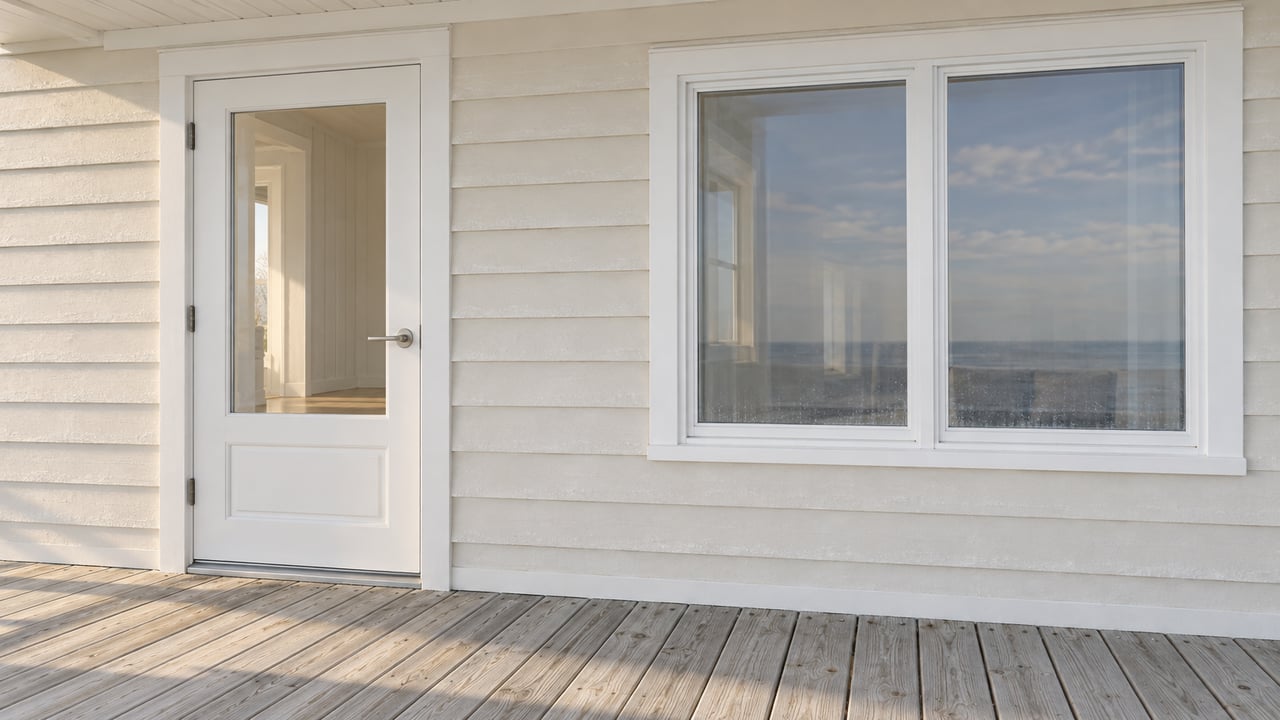
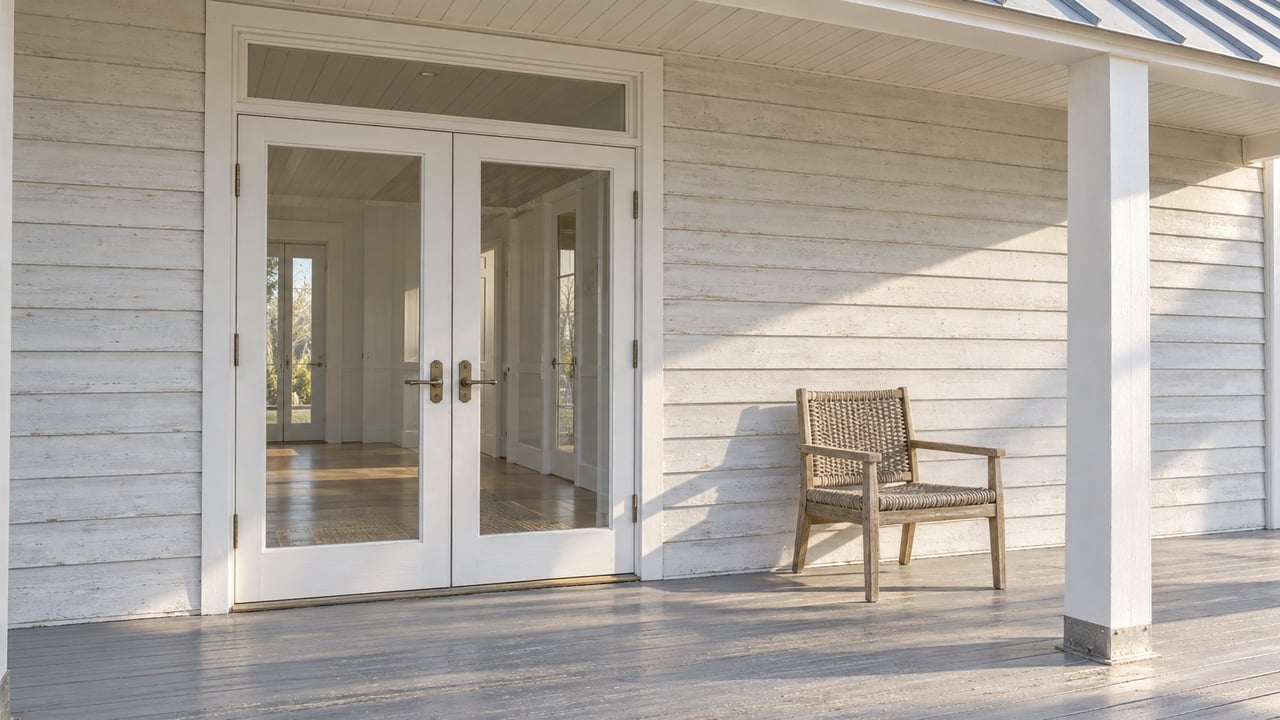
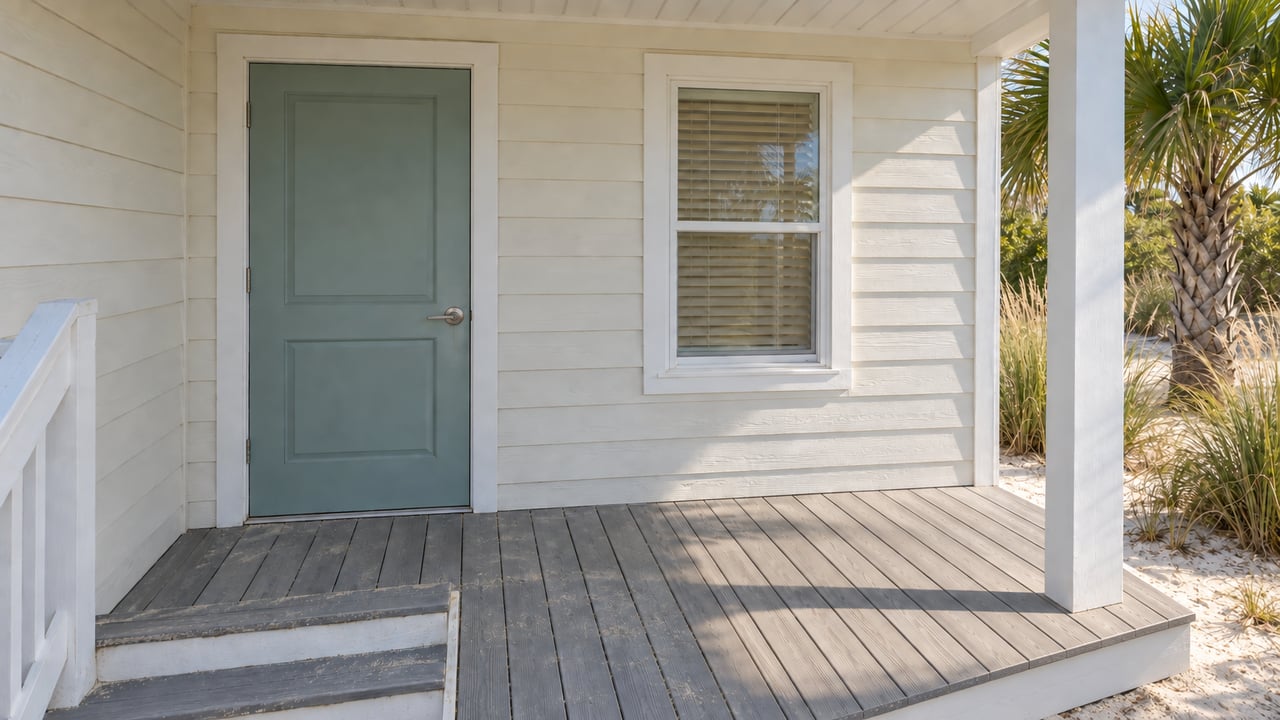
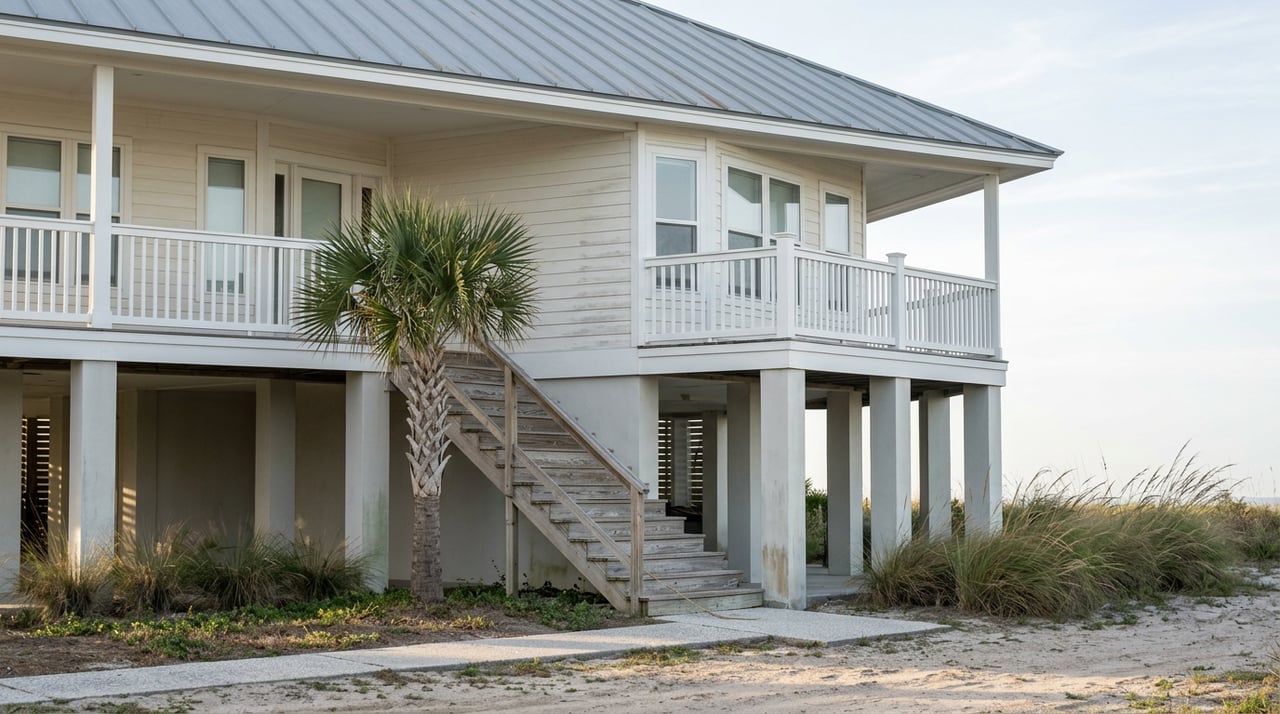
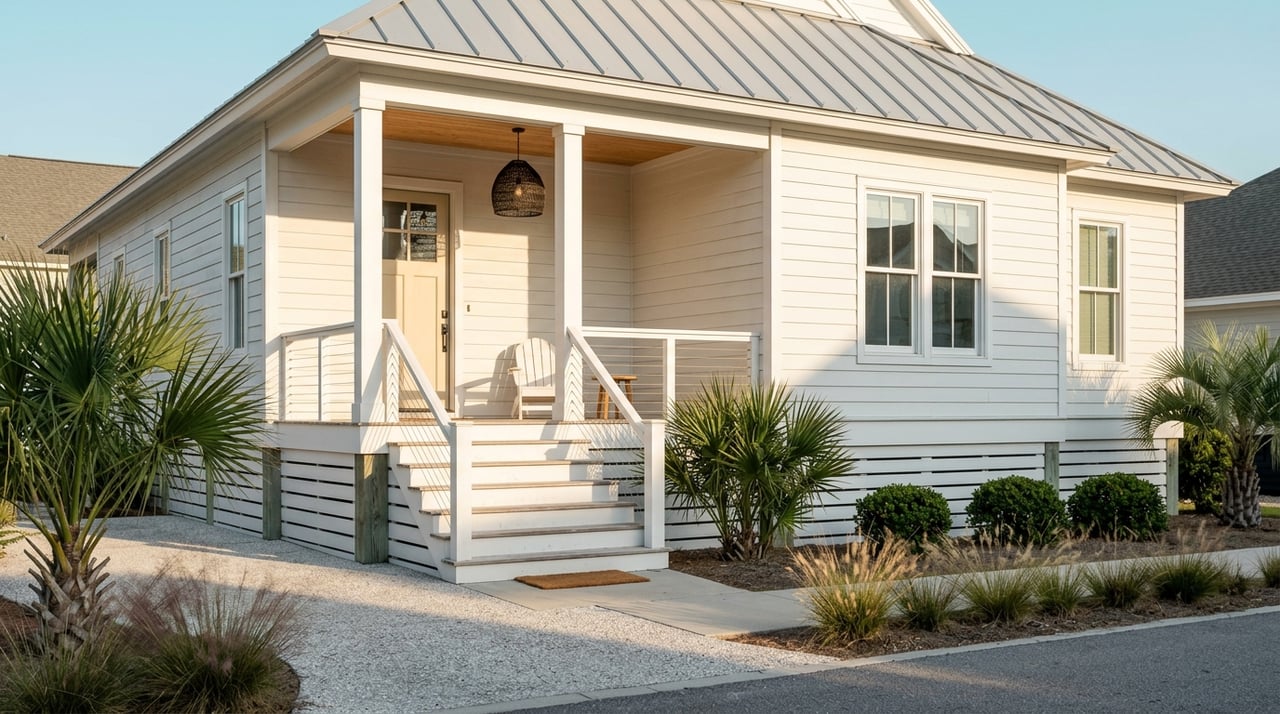
The housing stock also adds to that appeal. In and around the historic district, single-family homes are common, with Gulf Coast and Victorian cottages, Craftsman homes, vernacular houses, and some shotgun-style homes. You will also find condos, townhomes, multi-family properties, manufactured homes, and land, which gives you more than one path into the market.
What second-home pricing looks like
Apalachicola is not a one-price market. Recent public market snapshots point to a broad range, with many buyers shopping from the low $300,000s into the mid $400,000s depending on location, property type, and condition. Realtor.com reports a median listing price of $435,000, while public data for waterfront listings shows a median listing price around $399,000.
Current inventory also shows how wide the spread can be. Land listings have ranged from about $34,000 to $119,000, condos from about $349,000 to $489,000, and waterfront homes from about $349,000 to $1.575 million. That variety can work in your favor if you are comparing a turnkey condo, a historic cottage, a renovation opportunity, or a buildable lot.
Compared with nearby Forgotten Coast markets, Apalachicola often sits in the middle. Public listing pages show Carrabelle around the mid $300,000s, Eastpoint around the mid $400,000s, and St. George Island above $1.1 million. That means Apalachicola may feel more attainable than island pricing, while still offering a distinctive coastal lifestyle.
Why this market may reward patience
If you are used to fast-moving beach markets, Apalachicola may feel more measured. Realtor.com reports a median days on market of 99, and Redfin reports homes selling in about 124.5 days. Those figures suggest you may have more room to evaluate options carefully instead of rushing into a bidding-war mindset.
That slower pace does not remove the need for due diligence. It simply means you may have time to compare zoning, insurance costs, repair needs, and carrying costs more thoroughly. For second-home buyers, that can be a real advantage.
Decide how you want to use the home
Before you focus too much on finishes or views, decide whether this property is mainly for personal use, for seasonal rental income, or for some blend of both. In Apalachicola, that choice matters because the city makes a clear distinction between monthly rentals and short-term rentals.
In residential zones, a monthly vacation rental means a rental for a minimum of 30 days and a maximum of 6 months. The city states that residential zones cannot be rented for fewer than 30 days. Daily and weekly rentals under 30 days are only allowed in O/R and certain commercial zones, not in standard residential zones.
That rule changes the math for many second-home buyers. If you are buying in a residential neighborhood, the more realistic income model is often a 30-day-or-longer seasonal lease rather than a nightly or weekly rental. If your plan depends on short stays, you need to verify zoning first before you count on that income.
Can you use a second home as a rental?
Yes, but the answer depends on the property’s zoning and your business plan. A second home in a residential district can typically work as a monthly seasonal rental if it meets the city’s rules. A nightly or weekly rental is a different category and is not allowed in standard residential zones.
This is one of the biggest reasons local guidance matters in Apalachicola. Two homes with similar prices may have very different income potential depending on where they sit and how they are zoned. If rental flexibility matters to you, that should be confirmed early in your search, not after closing.
Understand the licensing and tax setup
If you buy a property that can legally operate as a short-term rental, there is more to do than simply furnish it and post a listing. The city states that operators need multiple registrations before listing, including state vacation-rental licensing, county bed-tax registration through the Florida Department of Revenue, and a City of Apalachicola business occupational license.
The tax side also deserves attention. Franklin County transient rental taxes include a 3.0% local option transient rental tax, and the Florida Department of Revenue states that this is in addition to the 6% state sales tax and the county’s 1.5% discretionary surtax. That means taxable short-term rental receipts can face about 10.5% in taxes before you even factor in platform fees or management costs.
For many buyers, that makes a simple personal getaway or a 30-day seasonal rental more attractive than a heavily managed short-term rental operation. The right answer depends on your goals, but it is important to run the numbers using local rules instead of assumptions.
Budget for the costs buyers often miss
The easiest mistake with a second home is underestimating the ongoing cost of ownership. In Franklin County, homestead exemption is reserved for permanent residents who occupy the property as their permanent residence. The county explicitly states that second homes, vacation properties, short-term rentals, and investment properties do not qualify.
That means you should not build your budget around homestead tax savings. Your carrying costs need to work without that benefit. For out-of-town buyers, this is one of the most important planning details.
Flood insurance is another major line item. FEMA’s National Flood Insurance Program states that most homeowners insurance does not cover flood damage, and flood insurance covers building and contents separately. If the home is in a Special Flood Hazard Area and financed with a government-backed mortgage, flood insurance may be required.
Historic homes require a different mindset
Part of Apalachicola’s appeal is its historic character, but that character comes with responsibilities. The city states that many construction-related changes require permits, and exterior changes in the historic district require consultation with the Planning Department before you apply for a permit. Permit requests generally take 3 to 5 business days, and many common projects require separate permits.
For a second-home owner, that affects both timing and budget. Even modest exterior work may need planning in advance, which can be challenging if you live out of town. Older homes may also require more attention over time for roofing, paint, windows, drainage, HVAC, and storm hardening.
That does not mean you should avoid historic homes. It means you should buy with a clear picture of maintenance, approval timelines, and repair reserves. A charming cottage can be a wonderful second home, but it should be the right fit for your time, budget, and tolerance for upkeep.
Plan for remote ownership from day one
If you will not live in Apalachicola full-time, your ownership plan should be practical from the start. A strong workflow is to confirm zoning first, then get insurance quotes, then line up local help for routine maintenance and urgent issues. That order helps you avoid buying a property that does not match your intended use.
For a pure second home, your checklist should focus on storm preparation and preventive care. That can include a local emergency contact, HVAC and plumbing checks before you leave for the season, leak detection, shutters or other mitigation, and reserve funds for roof, paint, dock, or exterior repairs.
For a rental-capable property, the checklist expands. You need to think about licensing, tax registration, business licensing, and renewal deadlines before the property is ever listed. In Apalachicola, compliance is not a cleanup item after closing. It is part of buying wisely.
What makes Apalachicola different
Apalachicola stands apart because it combines a historic coastal setting with more regulated rental rules and a broad pricing range across property types. You can find land, condos, cottages, and waterfront homes, but they do not all work the same way as second homes or rentals. That makes this a market where details matter.
It also makes the lifestyle side especially personal. If you want a quiet base near the water and appreciate older homes and local character, Apalachicola can be a very strong fit. If you want a pure nightly-rental play, you need to be much more selective about zoning and numbers.
A smart way to buy a second home here
The best second-home decisions in Apalachicola usually start with clarity. Know whether you want a personal retreat, a seasonal rental, or a property with future flexibility. Then compare homes through that lens, not just by curb appeal.
This is where hyperlocal guidance makes a difference. Beach Properties Real Estate Group helps buyers across the Forgotten Coast weigh pricing, property type, zoning, waterfront considerations, renovation potential, and second-home strategy with a practical, straight-talk approach. If you are considering Apalachicola, connect with Beach Properties to explore options that truly match how you want to use the home.
FAQs
Can a second home in Apalachicola be used as a short-term rental?
- Only if the zoning allows it. Standard residential zones do not allow rentals for fewer than 30 days.
Can a second home in Apalachicola be rented monthly?
- Yes. The city states that residential zones can allow monthly vacation rentals from 30 days up to 6 months.
Do second homes in Franklin County qualify for homestead exemption?
- No. Franklin County states that second homes, vacation properties, short-term rentals, and investment properties do not qualify.
Is flood insurance separate from homeowners insurance for an Apalachicola second home?
- Yes. FEMA states that most homeowners insurance does not cover flood damage, so flood insurance should be treated as a separate policy consideration.
Are permits important for historic homes in Apalachicola?
- Yes. The city states that many construction-related projects require permits, and exterior changes in the historic district require Planning Department consultation before permit application.
Is Apalachicola a fast-moving market for second-home buyers?
- Public market data suggests a slower pace than many beach markets, with reported days on market around 99 to 124.5 days, which may give you more time for due diligence.