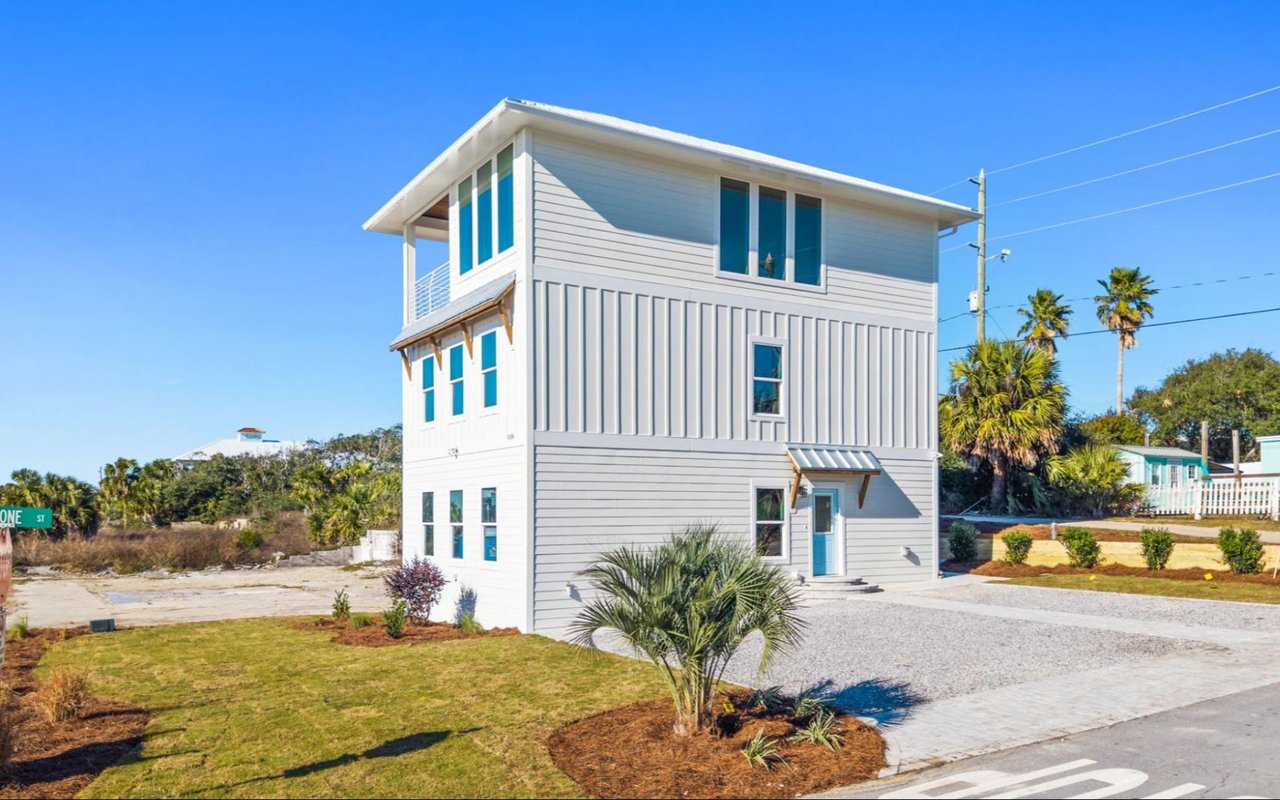
By Beach Properties Real Estate Group
Curb appeal on the Forgotten Coast is a different challenge than in most of Florida. Salt air, sandy soil, and Gulf humidity test every plant, paver, and lawn bed in ways that standard landscaping approaches don't account for. A good landscaper anywhere can mow a lawn and trim a hedge. A great landscaper in Gulf County knows which plants survive direct salt spray, how to amend sandy soil so it actually holds nutrients, and how to design an exterior that photographs well, holds up through a Florida summer, and adds real value to your property. If you're preparing to sell, managing an investment property, or simply want your Port St. Joe home to look its best, here's what to know before you hire.
Key Takeaways
- Coastal landscaping in Gulf County requires specific knowledge of salt-tolerant plants and sandy soil conditions that general landscapers often lack
- A well-maintained exterior is one of the highest-return investments you can make before listing a property in Port St. Joe
- The right landscaper does more than maintenance — they advise on plant selection, irrigation, and design choices that hold up in this specific climate
- Native and salt-tolerant species outperform imported ornamentals in Gulf County and require far less ongoing intervention
What Makes Coastal Landscaping Different
The strip of Gulf County coastline that runs from Mexico Beach through Port St. Joe to Cape San Blas and Indian Pass presents a specific set of conditions that most landscapers outside the area have never worked in. Understanding why those conditions matter helps you ask the right questions before hiring anyone.
Sandy soil is the starting point. It drains quickly, which prevents waterlogging but also means nutrients wash through fast. Plants that thrive in loamy or clay-heavy soil — common in most of Florida's interior — often struggle here without significant soil amendment and a well-calibrated irrigation plan. A landscaper who doesn't account for Gulf County's soil composition will have you replacing plants every season.
Salt spray compounds the challenge. Properties within a quarter mile of the Gulf or St. Joseph Bay are exposed to airborne salt on a daily basis. Salt deposits on leaves and infiltrates the soil over time, drawing moisture out of root systems and browning foliage on plants that aren't adapted to it. Even properties a mile or two inland deal with occasional salt events during tropical systems.
What separates a coastal-knowledgeable landscaper from a general one:
- Recommends native and salt-tolerant species from the outset rather than substituting them after plants fail
- Understands Gulf County's soil type and builds amendment and irrigation plans around it
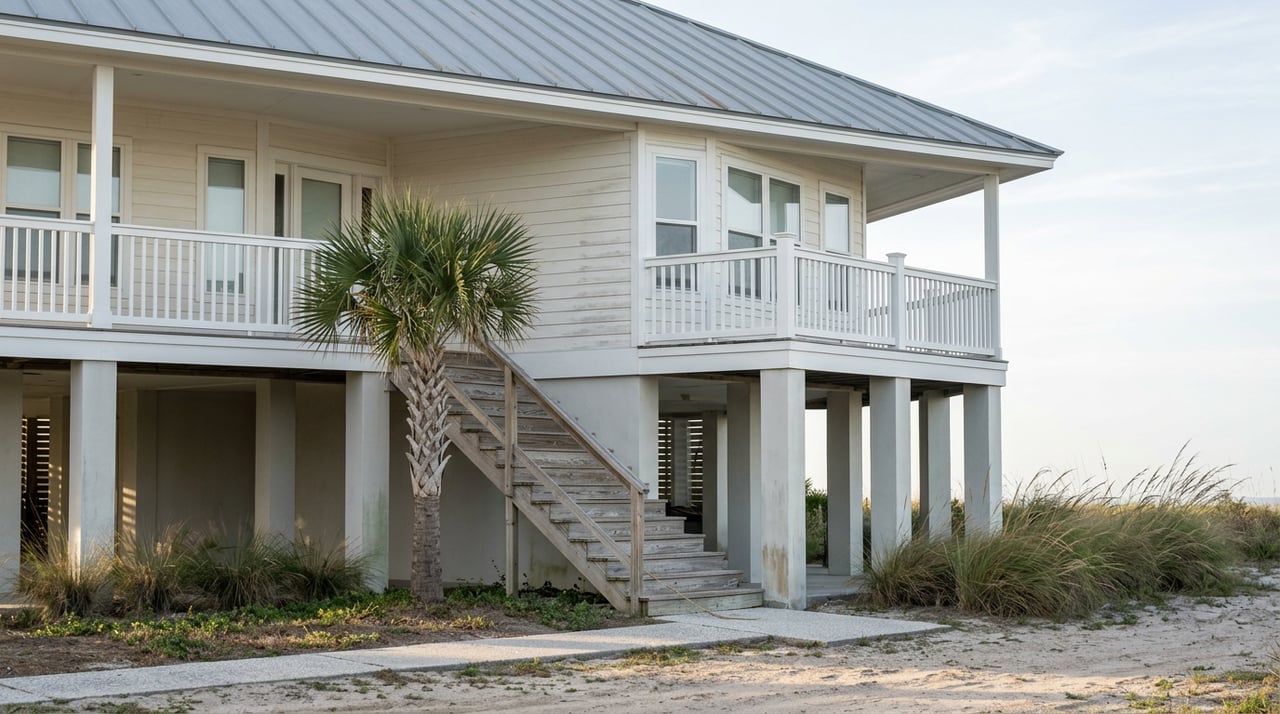
- Knows the difference in plant exposure between a Gulf-front lot at Cape San Blas and a bayfront property near Windmark Beach
- Has experience with post-storm cleanup and recovery specific to coastal properties
The Right Plants Make the Difference
The single most important decision a landscaper makes on a Gulf County property is plant selection. Get this right and maintenance becomes manageable, seasonal, and cost-effective. Get it wrong and you're replacing dead material after every weather event.
The University of Florida's Institute of Food and Agricultural Sciences maintains research-backed guidance on salt-tolerant plant species for Florida's coastal regions. The plants that consistently perform well within a quarter mile of Gulf County's saltwater include sabal palm — Florida's state tree and one of the most salt-tolerant palms available — sea oats, which stabilize sandy soil and handle direct spray on dune-adjacent properties, muhly grass for low-maintenance texture and year-round interest, beach sunflower for color in full sun and sandy conditions, wax myrtle as a fast-growing native shrub for privacy and structure, and live oak and southern red cedar for shade on properties set back from direct beachfront exposure.
What to avoid near the Gulf or bay:
- Standard ornamental plants marketed for general Florida use but not rated for salt tolerance
- Grass varieties that require heavy irrigation and fertilization to maintain coastal appearance
- Large-canopy trees positioned where they create wind resistance against the home during storm season
- Annuals as a primary color strategy — they require constant replacement in Gulf County's heat and are not cost-effective on investment properties
Why Curb Appeal Returns Real Value Before a Sale
In the Port St. Joe market, buyers are often purchasing remotely — evaluating listing photos from Georgia, Tennessee, or Texas before committing to a showing trip. The exterior of your property is doing significant work in those photos. It sets an expectation for what the rest of the home looks like and signals, correctly or not, how attentively the property has been maintained.
A well-presented exterior on an investment or vacation property also communicates rental potential. Prospective short-term renters make fast decisions based on listing photos. Properties with clean, mature landscaping consistently outperform visually similar homes with neglected yards in both booking rates and the price guests will pay.
High-return curb appeal improvements before listing:
- Fresh mulch in all beds — one of the highest-ROI cosmetic updates per dollar spent, and it photographs exceptionally well
- Palm trimming and dead-frond removal — a single afternoon of professional work that changes how a property reads in listing photos
- Lawn edging and a fertilization treatment to improve color and density in the weeks before photography
- Entry lighting — low-voltage path and accent lighting extends showing hours and adds a finished look at modest cost
- Pressure washing driveways, walkways, and paver surfaces — salt air and humidity create surface staining faster here than in most markets
What to Look for When Hiring a Landscaper in Gulf County
Not every landscaping company that serves Panama City or Bay County has meaningful experience with Gulf County's coastal conditions. Before hiring, the conversation you have with a prospective landscaper tells you a great deal about whether they'll give your property what it actually needs.
A landscaper worth hiring in this market should be able to discuss plant selection by name, recommend specific species for your property's proximity to saltwater, and explain their irrigation approach for sandy soil. They should also have a clear understanding of Gulf County's seasonal schedule — when to fertilize, when to lay sod, and when to hold off on new plantings ahead of hurricane season.
Questions worth asking before you hire:
- What grass and plant varieties do you typically recommend for properties this close to the Gulf or bay?
- How do you handle soil amendment for sandy coastal lots?
- Do you have experience with post-storm cleanup and landscape recovery on Gulf County properties?
- What does your maintenance schedule look like through the summer months?
- Can you walk me through what you'd prioritize on this property before it goes on the market?
A landscaper who can answer those questions specifically and confidently is one who knows this environment. One who answers in generalities is one who may be learning on your property.
FAQs
How far in advance should I schedule landscaping before listing my Port St. Joe home?
Ideally 4–6 weeks before your target listing date. That window gives newly installed sod time to establish, mulch time to settle, and any fresh plantings time to root before photography. Last-minute landscaping can look unfinished in listing photos even if the work itself is solid.
Do I need different plant species at Cape San Blas versus in Port St. Joe's downtown neighborhoods?
Yes. Properties within a quarter mile of the Gulf or bay face more direct salt spray, which limits what will survive long-term. A landscaper familiar with Gulf County can assess your specific exposure zone and recommend accordingly. As a general rule, properties closer to the shoreline need plants from the higher end of the salt-tolerance spectrum — sabal palms, sea oats, beach sunflower, and wax myrtle rather than standard ornamentals.
Is irrigation worth installing on a vacation or investment property in Gulf County?
In most cases, yes. Sandy soil dries out quickly, and a drip or zone irrigation system keeps plantings healthy between owner visits without relying on tenants or property managers to water. A landscaper who installs irrigation should be able to design a system that matches your soil drainage rate and plant selection rather than applying a generic schedule.