By Beach Properties Real Estate Group
One of the most common points of confusion we see with buyers shopping the Forgotten Coast is the word "beachfront." It gets used broadly in listings, in conversations, and in marketing — but on Cape San Blas and throughout Gulf County, beachfront can mean several very different things, and the distinction has a direct impact on price, use, insurance, financing, and long-term value. Before you fall in love with a listing, make sure you understand exactly what kind of beach access you're buying.
Key Takeaways
- "Beachfront" is not a legally defined term, and listings use it to describe a range of access types
- Gulf-front, deeded beach access, and gulf-view are three distinct categories with meaningfully different implications
- Coastal Construction Control Lines and FEMA flood zones affect what you can build and how you insure it
- Knowing the difference before you make an offer can protect your investment and avoid costly surprises
Gulf-Front: True Direct Beach Ownership
Gulf-front properties sit directly on the Gulf of Mexico with no road, lot, or structure between your property line and the sand. This is the most literal interpretation of "beachfront," and it commands the highest price points on Cape San Blas and along the rest of the Forgotten Coast.
On Cape San Blas, Gulf-front homes give you 51 feet or more of private shoreline access in some cases, along with unobstructed water views, direct beach entry, and the ability to watch Gulf sunsets from your own lot. These properties are also the ones most directly governed by Florida's Coastal Construction Control Line (CCCL), which regulates what can be built and where on the shoreline.
On Cape San Blas, Gulf-front homes give you 51 feet or more of private shoreline access in some cases, along with unobstructed water views, direct beach entry, and the ability to watch Gulf sunsets from your own lot. These properties are also the ones most directly governed by Florida's Coastal Construction Control Line (CCCL), which regulates what can be built and where on the shoreline.
What Gulf-front buyers need to understand:
- CCCL compliance: Construction must meet specific setback and design standards regulated by the Florida Department of Environmental Protection
- FEMA flood zones: Gulf-front parcels typically span VE and AE zones, which carry the highest flood insurance requirements and affect financing
- Construction height limits: Cape San Blas caps construction height at 50 feet as of current regulations
- Long-term value: Gulf-front inventory on the Forgotten Coast is genuinely finite — the peninsula does not grow, and new Gulf-front lots are not being created
Deeded Beach Access: Close to the Gulf, Not on It
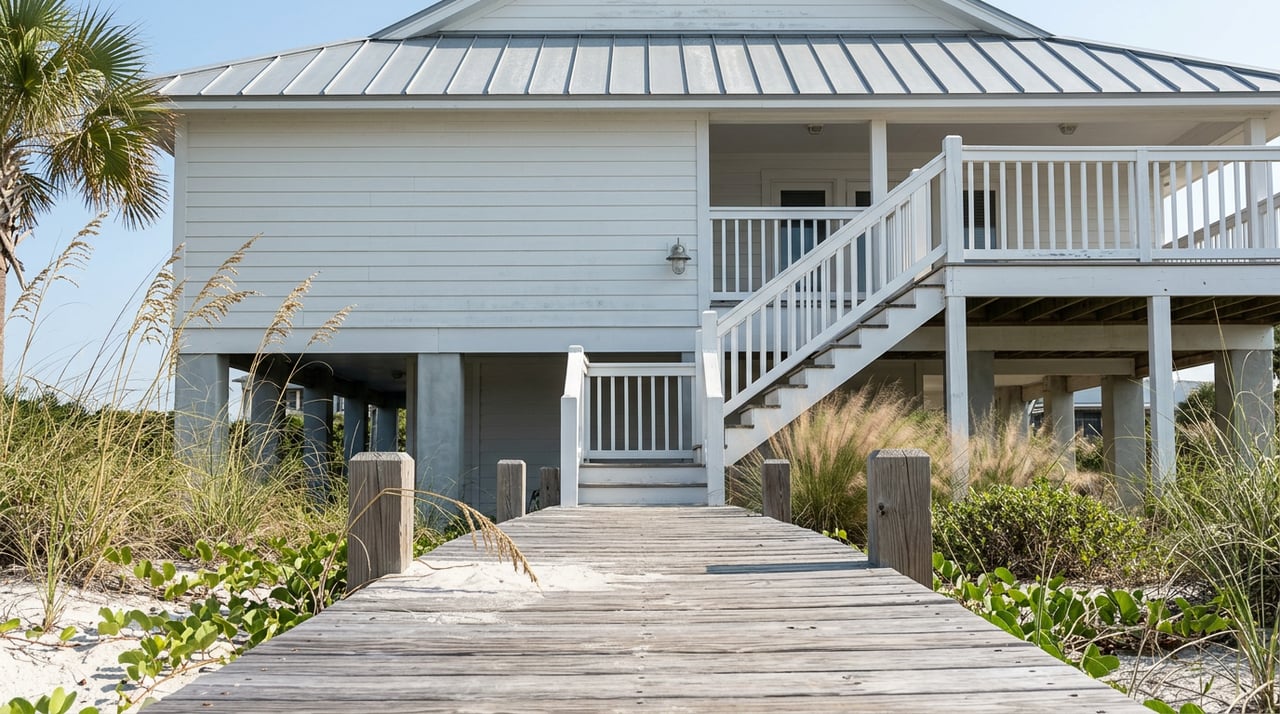
Deeded beach access means your property is not directly on the Gulf, but you have a legal right — recorded in the deed — to use a designated path or boardwalk to reach the beach. This is a distinct and valuable category, and it represents a large portion of the Cape San Blas market.
Communities like San Blas Plantation and Turtle Dunes offer deeded beach access via community boardwalks. Buyers get Gulf proximity, meaningful views in many cases, and a lower purchase price than true Gulf-front — along with a different profile for flood insurance and construction requirements since the property sits further from the shoreline.
Communities like San Blas Plantation and Turtle Dunes offer deeded beach access via community boardwalks. Buyers get Gulf proximity, meaningful views in many cases, and a lower purchase price than true Gulf-front — along with a different profile for flood insurance and construction requirements since the property sits further from the shoreline.
What deeded access buyers should verify:
- Exactly who maintains the boardwalk or access path — HOA, the county, or a private agreement
- Whether the access is exclusive or shared with adjacent communities
- What the deed actually says — the language matters, and access rights should be reviewed by a real estate attorney before closing
- Whether the access is in an X Flood Zone, which would affect both insurance cost and financing terms significantly
Gulf-View: Proximity Without Access
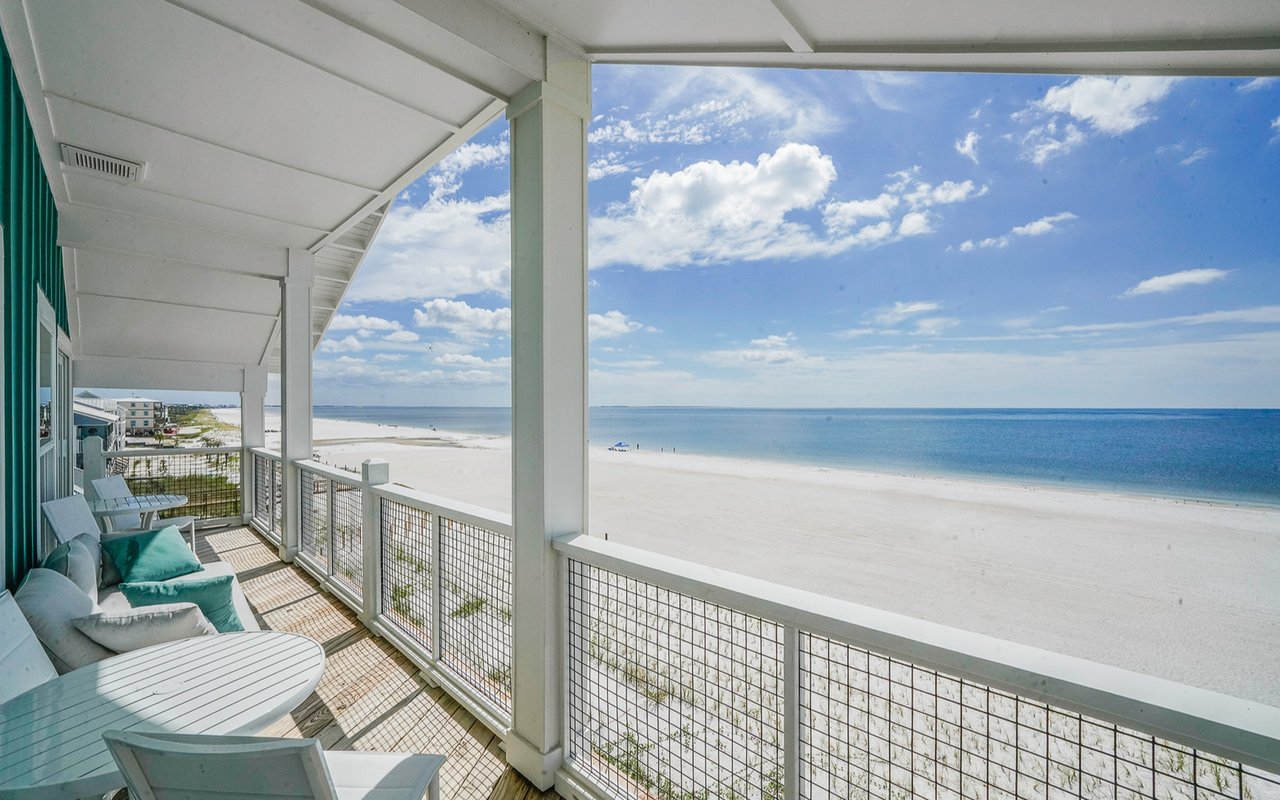
Gulf-view properties offer sightlines to the water from the structure — typically from upper floors or elevated decks — but do not include deeded Gulf access. These listings are priced lower than Gulf-front and deeded access properties, and they serve buyers who prioritize views and location over direct beach use.
Gulf-view is legitimate and desirable, but it is not the same as beach access. We see buyers occasionally surprised by this distinction after they've gone under contract, which is why we make a point of clarifying it early in every buyer conversation.
Gulf-view is legitimate and desirable, but it is not the same as beach access. We see buyers occasionally surprised by this distinction after they've gone under contract, which is why we make a point of clarifying it early in every buyer conversation.
Gulf-view considerations:
- Views can be affected by future construction on adjacent lots — nothing guarantees them unless there are deed restrictions or conservation land between you and the water
- Insurance and financing tend to be more straightforward than Gulf-front, since most gulf-view properties sit in less restrictive flood zones
- Resale and rental appeal are still strong, particularly in communities with easy walking distance to beach access points
Why This Matters When You Buy
The Forgotten Coast real estate market rewards buyers who come in with clear information. Gulf County's combination of CBRA zones, FEMA flood designations, and CCCL regulations creates a framework that affects your insurance costs, your financing options, and what you can do with the property long term — all before you factor in rental potential or personal use.
Questions to ask before making any offer on beach property here:
- Is this property Gulf-front, deeded access, or gulf-view?
- What flood zone is the parcel in, and does any portion fall in a VE zone?
- Is the property in a CBRA zone, which limits federal flood insurance and certain financing?
- What does the deed say about beach access, and has it been reviewed?
- What are the short-term rental regulations for this specific parcel?
These are not questions to save for the inspection period. They belong in the very first conversation about a property, and they're the kind of detail that separates an informed purchase from an expensive lesson.
FAQs
Is "beachfront" a protected or regulated term in Florida real estate listings?
No. Florida does not regulate the use of "beachfront" as a listing descriptor, which is why you'll see it applied to Gulf-front properties, deeded access communities, and gulf-view homes alike. The only reliable way to know what you're buying is to review the deed, the survey, and the flood zone designation with a knowledgeable local agent and attorney.
Does being in a CBRA zone mean I can't get a mortgage?
Not necessarily, but it limits your options. Properties in Coastal Barrier Resources Act zones are ineligible for federally backed flood insurance through NFIP, which disqualifies them from many conventional loan programs that require flood coverage. Private flood insurance and cash purchases are common in CBRA zones on the Cape.
How much does flood zone designation affect insurance costs on Cape San Blas?
Significantly. A VE zone designation — common for Gulf-front parcels — carries the highest flood insurance premiums. Moving from a VE to an AE or X zone can reduce annual insurance costs by thousands of dollars per year, which is one reason buyers should always pull the flood map for any property they're seriously considering.
Buy Forgotten Coast Real Estate With Confidence
Understanding exactly what you're buying on the Forgotten Coast takes local knowledge and the right questions asked at the right time. At Beach Properties Real Estate Group, we've closed thousands of transactions across Cape San Blas, Port St. Joe, Indian Pass, and the surrounding Gulf County market, and we know this coastline in detail.
Reach out to us to learn more about how we help buyers find the right beach property on the Forgotten Coast.
Reach out to us to learn more about how we help buyers find the right beach property on the Forgotten Coast.