Wondering whether to renovate before you sell in Port St. Joe, or list your home as is and let the next owner take it from there? It is a smart question, especially in a coastal market where buyer expectations, pricing, and property condition can all affect your outcome. The good news is that you do not have to guess. With the right strategy, you can weigh cost, timing, and likely buyer response before you commit to any work. Let’s dive in.
What the Port St. Joe market suggests
Recent market snapshots point to a market where presentation and pricing still matter. Redfin reported a May 2026 median sale price of $448,731 and a median market time of 110 days, while Realtor.com showed 695 homes for sale, a median listing price of $499,000, a 67-day median on market, and a 98% sale-to-list ratio.
Those numbers do not match exactly because the platforms track data differently. Still, they tell a similar story. In Port St. Joe, you should not assume buyers will overlook condition just because you are in a desirable coastal area.
How buyers often view as-is homes
Selling as is does not mean your home cannot attract interest. Many buyers are open to fixer-uppers, especially if the price reflects the work needed. Research in 2024 found that more than half of prospective buyers would consider a fixer-upper, and 73% said a lower price was a key reason.
At the same time, many buyers still prefer homes that feel move-in ready. Dated finishes may not stop a sale, but they can reduce emotional appeal, lead to lower offers, or increase requests for concessions after inspections.
Price matters more with dated condition
Buyers who take on a project usually come in with a budget. Many say they expect to spend less than $70,000 on repairs and renovations. That means if your home needs visible work, buyers may subtract those costs, plus a cushion for inconvenience, from what they are willing to pay.
In practical terms, an as-is sale can work well when your price clearly reflects the condition. If it does not, your listing may sit longer and invite price reductions later.
When renovating makes sense
Renovating before you sell can make sense when your home has a few visible issues that hurt first impressions but do not require a full overhaul. In many cases, a targeted refresh is more effective than a major remodel.
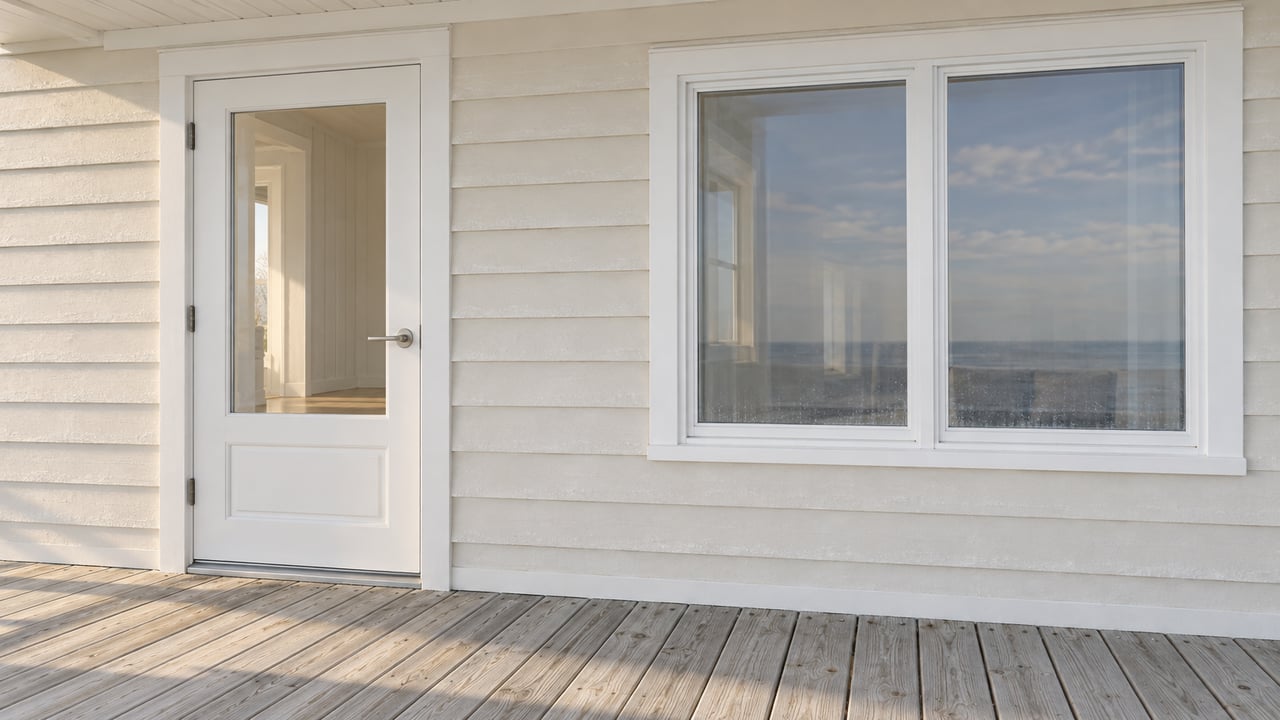
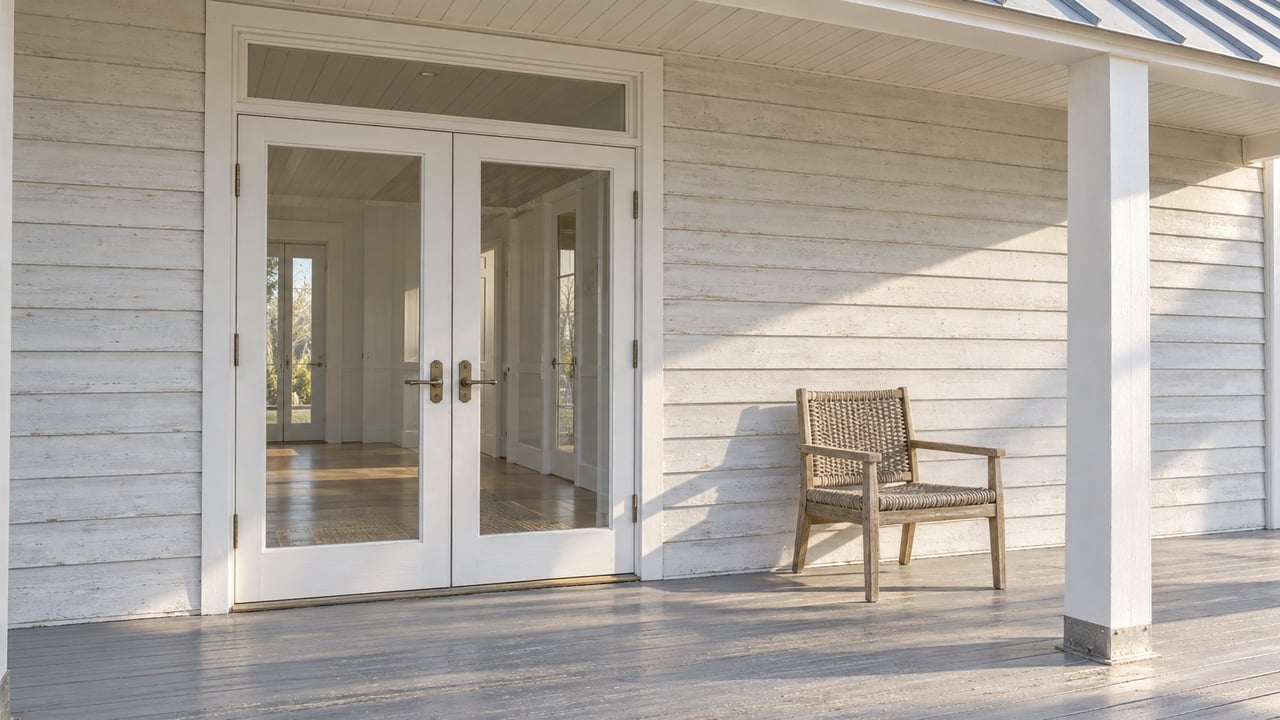
National resale data supports that approach. Higher-recovery projects tend to be smaller, visible improvements such as front doors, windows, closet or storage upgrades, and minor kitchen work.
Updates with stronger resale logic
If you are deciding where to spend money, these projects tend to offer better resale logic than a full renovation:
- New steel front door
- New fiberglass front door
- New vinyl or wood windows
- Closet or storage improvements
- Minor kitchen upgrades
- Neutral paint
- Decluttering and removing dated window treatments
- Staging to help buyers picture the home
These updates often improve the way buyers feel about a home right away. They can also help your listing photograph better, show better, and compete more effectively with other homes on the market.
Why full remodels are often harder to justify
Big-ticket updates do not always return what sellers expect. Complete kitchen renovations and bathroom overhauls may improve the home, but resale recovery is often only partial.
That does not mean you should never do them. It means they usually make the most sense only if they solve a real functional problem or if the home is far behind the rest of the market.
When selling as is may be the better path
Sometimes the simplest plan is the best one. Selling as is may be the stronger choice if the repair list is long, the work would require permits and contractor oversight, or you simply do not want to take on the time and stress of a renovation.
This path can also make sense if your home already appeals as a renovation opportunity. In Port St. Joe and along the Forgotten Coast, some buyers actively look for homes they can update over time, especially if the location, lot, or layout is attractive.
Signs selling as is may fit your situation
Selling as is may be worth serious consideration if:
- The estimated repair bill is large
- You want to avoid managing contractors and timelines
- The home is priced to reflect its condition
- You need a faster, simpler sale process
- The property may appeal to buyers looking for a project
The key is to be realistic. Buyers may accept work, but they usually want a price that leaves room for that work.
Port St. Joe coastal factors can change the math
In Port St. Joe, renovation decisions are not only about design and resale value. Coastal rules, flood exposure, and permit requirements can all affect whether a project is worth doing before you list.
Gulf County handles plan reviews, permits, inspections, and code enforcement through its building department. The county uses the Florida Building Code 2023 eighth edition, and local GIS resources identify flood zones and evacuation zones.
Flood zones and substantial improvement rules
If your home is in a Special Flood Hazard Area, the scope of your renovation matters. FEMA states that work meeting or exceeding 50% of the structure’s market value can trigger substantial improvement rules, and Florida law uses that same 50% threshold.
That is a major reason to think carefully before starting a large project. A renovation that looks straightforward at first can become more complex if flood compliance requirements come into play.
Insurance and flood coverage matter too
Gulf County notes that homeowners insurance does not cover flood damage. Flood coverage can also have a 30-day waiting period, which matters if you are making timing decisions around ownership, listing, or closing.
For sellers, this does not automatically mean you should avoid updates. It means your renovation plan should account for local flood considerations before you begin.
Coastal construction rules may apply
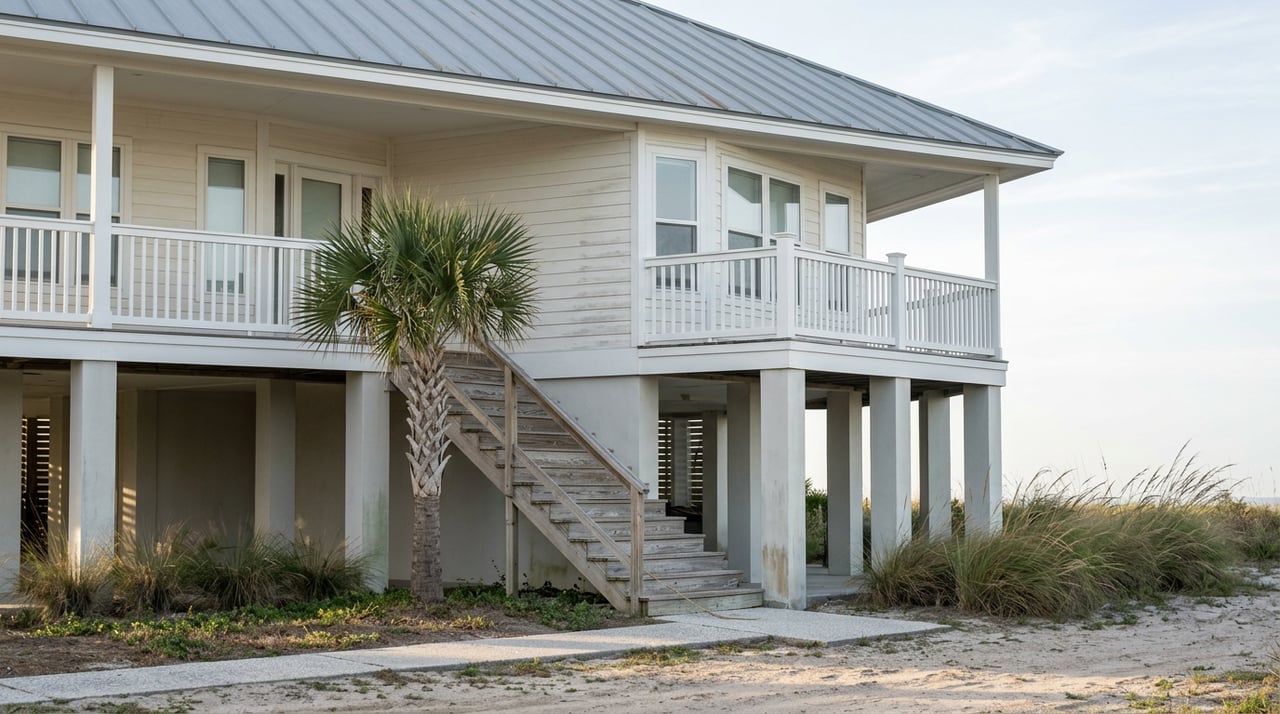
For beachfront or near-beach parcels, special coastal construction rules can apply. Gulf County and the Florida Department of Environmental Protection note that properties seaward of the Coastal Construction Control Line may face more stringent design standards.
If your home is near the beach, even a relatively simple improvement may need a closer review. That is one more reason the right pre-listing advice in Port St. Joe is highly local.
A middle path often works best
For many sellers, the best answer is not a full remodel or a fully untouched as-is listing. It is a middle path. That usually means addressing what buyers notice first, avoiding over-improvement, and pricing the home according to its actual condition.
In Port St. Joe, that often looks like:
- Refreshing paint in neutral tones
- Improving curb appeal
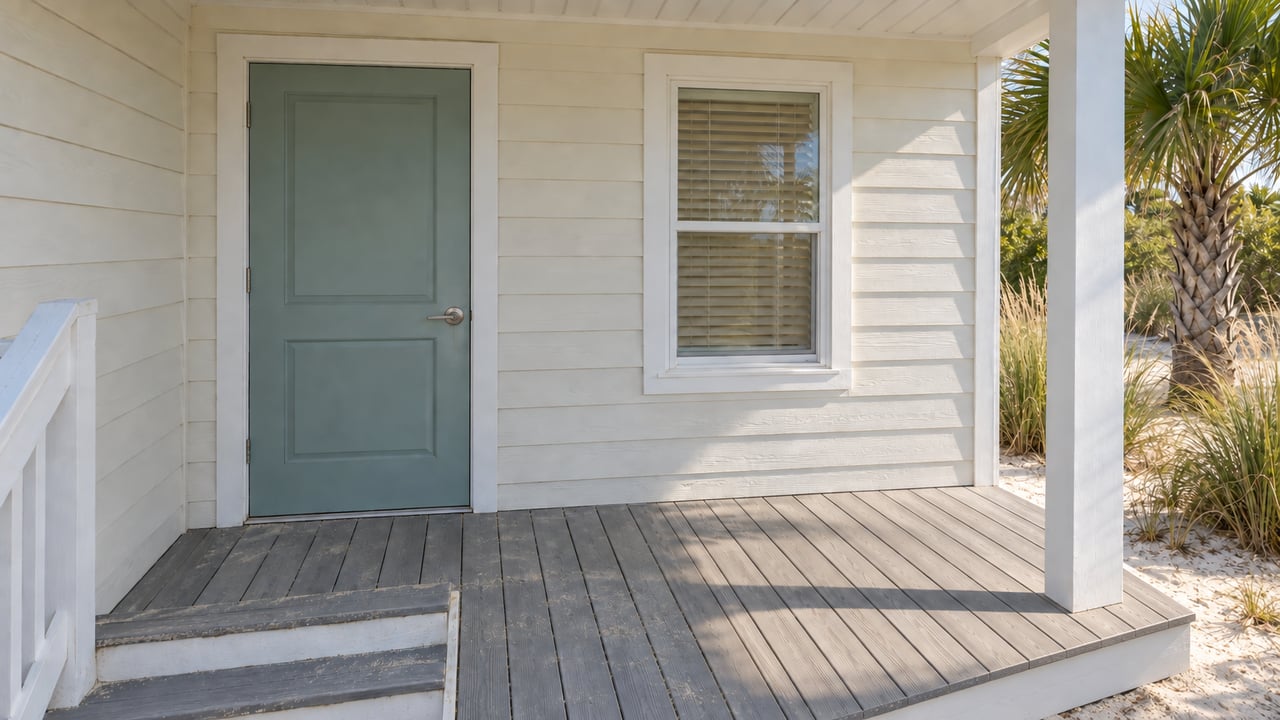
- Replacing a worn front door if needed
- Updating windows if they are a visible issue
- Simplifying decor and removing clutter
- Making storage feel more functional
- Staging key rooms to improve buyer perception
This approach can protect your time and budget while still helping the home show well. It also reduces the risk of sinking money into major projects with only partial resale recovery.
Questions to ask before you decide
Before you choose a path, it helps to look at your home through a buyer’s eyes and through a Port St. Joe lens. A good strategy usually starts with a few practical questions.
Start with these decision points
Ask yourself:
- Which issues stand out in the first few minutes of a showing?
- Would buyers see this home as move-in ready, lightly dated, or a true project?
- How are original-condition homes priced compared with lightly updated homes in Port St. Joe?
- Are there flood-zone, permit, or coastal compliance issues that could affect renovation plans?
- If you spend money, which updates are most likely to improve buyer response here?
These questions help you avoid spending based on emotion. Instead, you can make a decision based on likely market impact.
The right choice depends on your goals
If your top goal is maximizing visual appeal and buyer confidence, a targeted refresh may be the smartest move. If your top goal is speed, simplicity, or avoiding project risk, selling as is may be the better fit.
Either way, the decision should be based on three things: your home’s condition, local compliance factors, and the gap between likely resale value and project cost. In a coastal market like Port St. Joe, that balance matters.
If you are weighing whether to renovate or sell as is in Port St. Joe, the team at Beach Properties can help you compare your options with clear local insight and a practical plan.
FAQs
Should you renovate before selling a home in Port St. Joe?
- It depends on the home’s condition, your budget, and whether small updates are likely to improve buyer response more than they cost.
What improvements usually make the most sense before listing in Port St. Joe?
- Smaller visible updates like front doors, windows, storage improvements, neutral paint, decluttering, and staging often make more sense than major remodels.
Can you sell a house as is in Port St. Joe?
- Yes. Selling as is can work well if the home is priced to reflect its condition and appeals to buyers open to renovation work.
Do flood zones affect renovation decisions in Port St. Joe?
- Yes. Flood zones can affect permits, compliance, and whether a project triggers substantial improvement rules under the 50% threshold.
Are major kitchen and bathroom remodels worth doing before selling in Port St. Joe?
- Not always. Large remodels often have only partial cost recovery, so they usually make the most sense when they fix real functional issues.
Why does local advice matter when deciding to renovate or sell as is in Port St. Joe?
- Local advice matters because pricing, buyer expectations, flood-zone issues, and coastal construction rules can all change the best strategy for your specific property.